
Why You Should Replace Damaged Wpc Panel for Better Longevity?
WPC panels are popular for their durability and aesthetic appeal. However, they can sustain damage over time. When you notice cracks, warping, or color fading, it's crucial to consider the impact of damaged panels. It's easy to overlook small issues. But ignoring them can lead to more significant problems.
Replace Damaged Wpc Panels promptly. This action will enhance the longevity of your structure. New panels not only restore the original look but also improve overall performance. Damaged panels can allow moisture and pests to enter, creating greater risks. Ensuring a proper replacement can save you money and effort in the long run.
Investing in quality WPC panels is essential. They offer better resistance against environmental factors. While the initial cost may raise concerns, remember that a smart choice leads to long-term benefits. Evaluate the state of your WPC panels regularly. Taking action now can prevent more extensive repairs later.
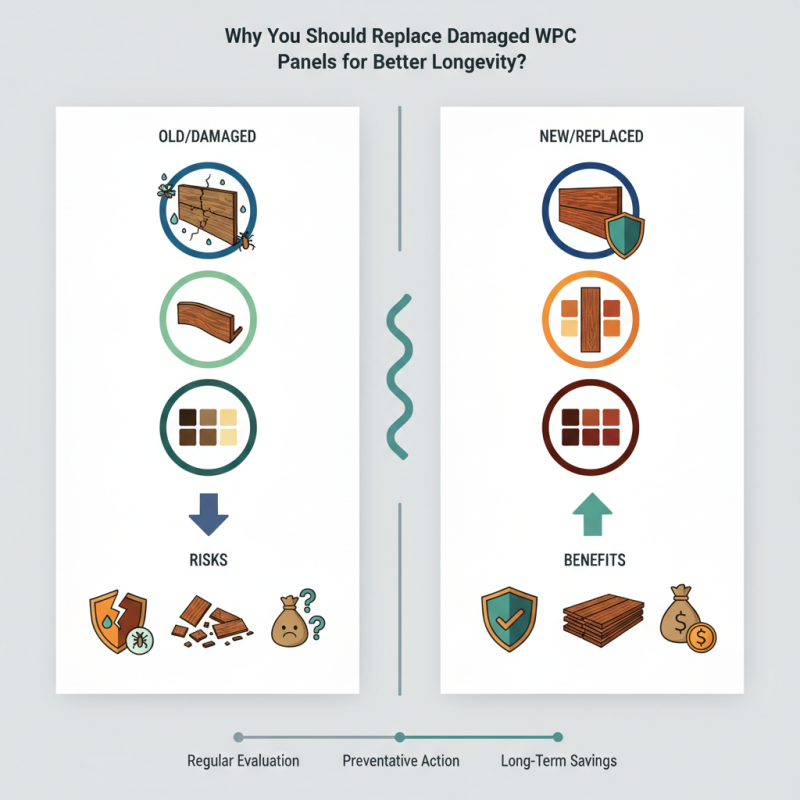
The Importance of Identifying Damaged WPC Panels
The importance of identifying damaged WPC (Wood Plastic Composite) panels cannot be overstated. These panels are often used in outdoor settings, making them susceptible to damage from weather, pests, and wear. When a panel becomes damaged, it not only affects the aesthetics but also compromises the structural integrity of the entire installation. Failing to replace these panels can lead to more significant issues down the line.
Tips: Regular inspection is key. Check for visible cracks, warping, or discoloration. These signs often indicate deeper underlying problems. Don’t wait for the damage to worsen; addressing issues early can save time and resources.
It’s crucial to understand how to evaluate the condition of your WPC panels. Look for signs of mold or mildew, which can indicate exposure to moisture. Moisture can weaken the panels over time, leading to further degradation. An environment that fosters mold growth should be addressed quickly to prevent spreading.
Tips: Consider using a moisture meter. It can provide accurate readings of the panel's moisture levels. Keeping panels clean and well-maintained helps extend their lifespan. Avoid using harsh chemicals which can further damage the surface. Regular maintenance prevents minor issues from becoming major headaches later on.
Impact of Damaged WPC Panels on Longevity
This chart illustrates how the severity of damage to WPC panels affects their projected lifespan. As the damage increases from minor to critical, the expected lifetime significantly decreases, highlighting the importance of timely replacement to ensure better longevity.
Understanding the Composition and Benefits of WPC Panels
WPC panels, or wood-plastic composites, combine wood fibers and plastic to create durable and versatile materials. These panels offer a unique blend of aesthetics and functionality, making them popular for both indoor and outdoor use. Their resistance to rot, decay, and insects makes them a reliable choice for various applications.
The composition of WPC panels contributes significantly to their longevity. The plastic component provides moisture resistance, while the wood fibers add natural beauty. This combination helps maintain the integrity of the material over time. However, WPC panels can still be susceptible to damage from extreme weather or heavy impact. Regular inspection is necessary to identify issues early, ensuring they do not compromise the entire structure.
Replacing damaged WPC panels can enhance the overall lifespan of a project. Even minor issues, like cracks or warping, can lead to bigger problems if left unattended. Choosing to repair or replace these panels means investing in the durability and appearance of your space. It reflects a commitment to quality. Prioritizing the upkeep of WPC panels can yield long-term benefits for property owners.
Consequences of Neglecting Damaged WPC Panels
Neglecting damaged WPC panels can lead to significant consequences. Research indicates that around 30% of all outdoor installations suffer from moisture damage due to improper maintenance. When these panels are compromised, water can seep in, leading to rotting and ultimate failure. Structural integrity becomes a concern, and the cost of repairs can skyrocket.
A recent report from the Composite Materials Association notes that replacing damaged panels can extend their lifespan by up to 50%. Investing in repairs early can save money long-term. Damaged panels may also attract pests, compounding maintenance issues. We must not overlook the correlation between damaged panels and potential property damage, which can be catastrophic.
Furthermore, ignoring WPC panel deterioration may lead to safety hazards. Cracked or warped panels can cause slips and falls. This not only affects the immediate environment but can also lead to increased liability. Proper care and timely replacement are crucial for safety and performance.
Steps to Assess the Condition of Your WPC Panels
When evaluating the condition of your WPC (Wood Plastic Composite) panels, careful assessment is key. Checking for visible damage is an essential first step. Cracks or warping can signal the material is weakening. Industry reports indicate that 30% of early failures in WPCs result from such superficial issues. Even minor imperfections can compromise the durability of your installation.
Next, look for signs of moisture damage. WPCs are designed to resist water but are not waterproof. Prolonged exposure can lead to mold and decay. Researchers found that panels exposed to high humidity lose structural integrity after just a few months. This underlines the importance of regular inspections, particularly in wetter climates.
Finally, analyze how the panels react to pressure. Gently tapping the surface can reveal hollowness or softness, indicating that internal degradation is occurring. Industry guidelines recommend a thorough inspection every year for optimal performance. If you notice any signs of distress, it may be time to consider a replacement. Ignoring these indicators could lead to more significant issues down the line.
Why You Should Replace Damaged WPC Panel for Better Longevity? - Steps to Assess the Condition of Your WPC Panels
| Assessment Criteria | Condition Description | Action Required | Expected Lifespan |
|---|---|---|---|
| Surface Cracks | Visible cracks on the surface of the panel | Replace or repair | 5-7 years |
| Warping | Panel is no longer flat and has noticeable bends | Replace | 3-5 years |
| Fading Color | Significant loss of color due to UV exposure | Repaint or surface treatment | 5-10 years |
| Mold and Mildew | Presence of mold or mildew growth | Clean thoroughly; replace if persistent | Variable based on treatment |
| Structural Integrity | Weak or compromised structure | Replace immediately | 1-3 years |
Best Practices for Replacing WPC Panels for Longevity
When it comes to replacing WPC panels, attention to detail is crucial. According to industry reports, properly installed panels can last up to 25 years. However, neglected damages can reduce longevity significantly. Assess the extent of damage carefully. Even minor cracks can lead to larger issues. Visual inspections are essential. Look for signs of warping or discoloration. Such details can save you from costly replacements in the future.
Selecting the right installation method is vital. Studies indicate that improper installation can decrease the lifespan of WPC panels by nearly 30%. Ensure a firm foundation and adequate drainage. Air circulation around the panels prevents moisture buildup, which leads to degradation. Use quality fastening systems to secure the panels in place. Improperly secured panels might become loose over time, requiring more frequent replacements.
The environmental impact of replacement is worth noting. Disposing of damaged panels leads to waste. Aim for recycling when possible. Additionally, consider choosing panels made from sustainable materials. These options not only last longer but also contribute to a greener environment. While it’s tempting to ignore minor damages, addressing them promptly can yield long-lasting benefits. Monitoring and maintaining WPC panels extends their life significantly, reducing overall costs over time.