How to Choose the Best Welding Protection Gear for Safety
Welding Protection is crucial for anyone working with welding equipment. The right gear can prevent serious injuries. It is essential to choose the best safety gear based on your needs.
Welding goggles, helmets, and gloves are vital components. A good helmet should fit well and have proper ventilation. Gloves should be heat-resistant and flexible. You might think all gear is similar, but that’s not the case. Each type of welding poses unique risks. It’s easy to overlook the details.
Comfort and durability often clash with style. A flashy helmet might catch your eye. However, it’s not always the best choice for safety. Remember, your protection gear should allow you to work effectively. Reflect on your past experiences. Did you ever feel unsafe? It’s time to ensure better welding protection for a secure working environment.
Types of Welding Protection Gear and Their Importance
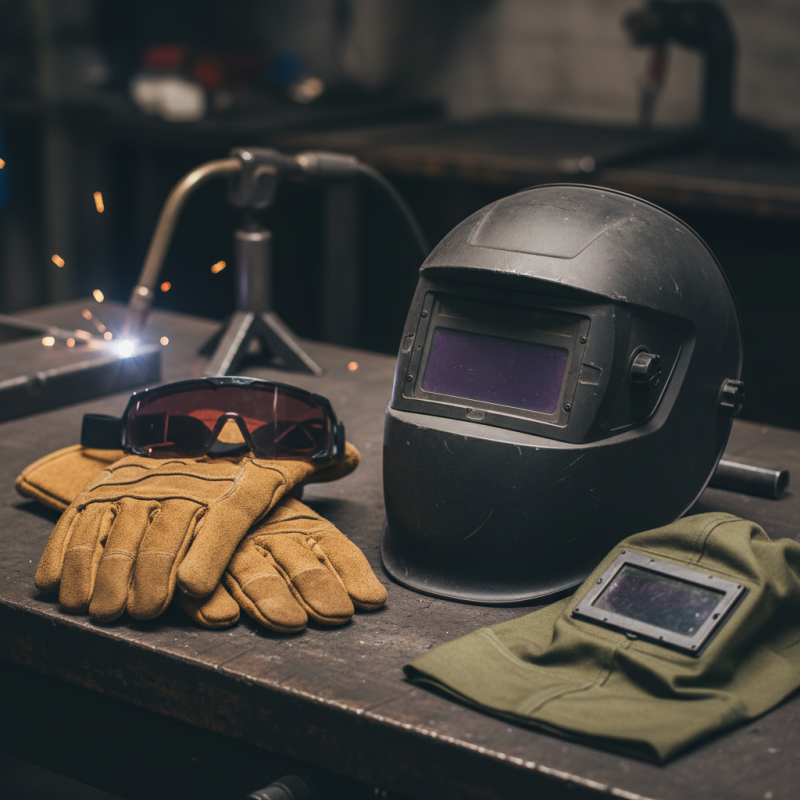
When it comes to welding, safety should be a top priority. Various types of welding protection gear are vital. Each piece is designed to guard against specific hazards. Helmets shield the face from intense light and sparks. Gloves provide a secure grip and protect hands from heat. Proper footwear can prevent injuries from heavy objects.
Disposable shields are sometimes overlooked. They can offer necessary protection in casual setups. However, they may not always provide the best coverage. Many forget the importance of flame-resistant clothing. This gear is essential in preventing burns and reducing exposure to harmful fumes. A well-fitted welding jacket can make a significant difference.
Choosing the right protection gear can be challenging. Some welders may underestimate their needs. They often opt for cheaper options, sacrificing safety. This can lead to serious injuries or long-term health issues. It's crucial to reflect on personal experiences and lessons learned. Prioritizing quality gear not only enhances safety but also improves overall productivity.
Key Features to Look for in Welding Helmets and Masks
When it comes to protecting yourself during welding, selecting the right helmet or mask is crucial. According to the American National Standards Institute (ANSI), proper welding gear can reduce risks significantly. These risks include arc flash, burns, and exposure to harmful fumes.
Key features to look for in a welding helmet include the lens shade. A variable shade lens can adapt to different types of welding, ensuring your eyes remain protected. This adaptability is critical. The helmet's weight also matters. Heavier helmets can lead to neck fatigue, making long welding sessions uncomfortable.
Tip: Look for a lightweight helmet that balances protection and comfort.
Respiratory protection is equally important. Ensure the mask fits properly and filters out harmful particles effectively. Choose masks with a comfortable seal. Reports suggest that improper fitting masks lead to over 70% of respiratory issues in welders.
Tip: Regularly check your gear for wear and tear. Replace parts as needed for optimal safety. In the end, selecting the right welding protection gear can mean the difference between safety and injury.
Selecting Appropriate Welding Gloves for Different Techniques
When selecting welding gloves, consider the specific technique you'll be using. Shielding techniques like MIG welding require gloves that are durable yet flexible. Look for leather options that provide both protection and dexterity. Thin gloves might offer better control, but they won’t withstand high heat. Balancing comfort with safety is crucial.
TIG welding demands a different approach. Here, gloves need to be more sensitive to allow for precise movements. Lightweight gloves with thin heat-resistant material work well. However, some may find them lacking in longevity. Think about your own working style. Do you prioritize feel over durability? It’s a choice worth pondering.
Don’t overlook the importance of fit. Too loose and gloves might hinder your work; too tight can lead to fatigue. Both scenarios can compromise safety. It's not just about the gloves but how they enhance your overall technique. Reflect on your experiences. Have you ever faced challenges due to inadequate gear? Each choice shapes your welding quality and safety standards.
Understanding the Role of Protective Clothing in Welding Safety
Welding safety relies heavily on protective clothing. Proper gear shields workers from sparks, intense heat, and harmful UV radiation. Fabrics must withstand molten metal splashes and resist flame. A cotton blend can provide moderate protection, but specialized materials are recommended for high-risk environments.
Choosing the right protective clothing is not just about comfort. Fit matters; loose clothing can catch fire easily. Sizing should allow for movement without excess fabric. Remember, the right gear can feel heavy and cumbersome. However, comfort often leads to better focus and safety on the job.
Evaluating Additional Safety Accessories for Comprehensive Protection
When working in welding, safety should be the top priority. While wearing the right helmet and gloves is essential, additional safety accessories can elevate your protection. Consider using flame-resistant clothing. This reduces the risk of burns from sparks or heat. It is important to choose clothing that fits well and allows for movement.
Another crucial accessory is safety goggles. Protecting your eyes from bright flashes and debris is vital. Standard glasses are not enough. Ensure your goggles are specifically designed for welding. They should provide a snug fit and offer adequate coverage. Ear protection, such as plugs or muffs, should not be overlooked. The noise from welding equipment can be damaging over time.
Many welders forget about respiratory protection. Breathing in fumes and particles can lead to health issues. A quality respirator can help mitigate these risks. It should fit properly and be rated for welding activities. Finally, think about knee pads. These can assist if you often work on your knees. Comfort and protection matter. Reflect on your setup and consider what you may be missing.
How to Choose the Best Welding Protection Gear for Safety
| Gear Type | Material | Protection Level | Comfort Level | Recommended Accessories |
|---|---|---|---|---|
| Welding Helmet | High-impact polycarbonate | High | Moderate | Auto-darkening filter, comfortable padding |
| Welding Gloves | Leather | High | High | Heat-resistant, reinforced seams |
| Welding Jacket | Cotton blend with flame retardant | High | Moderate | Long sleeves, adjustable cuffs |
| Safety Boots | Steel-toed leather | High | High | Slip-resistant, waterproof |
| Respirator | Filtered respirator | Moderate | High | HEPA filters, comfortable fit |